Digital Experience
UI/UX Design Services
What is UI/UX Design?
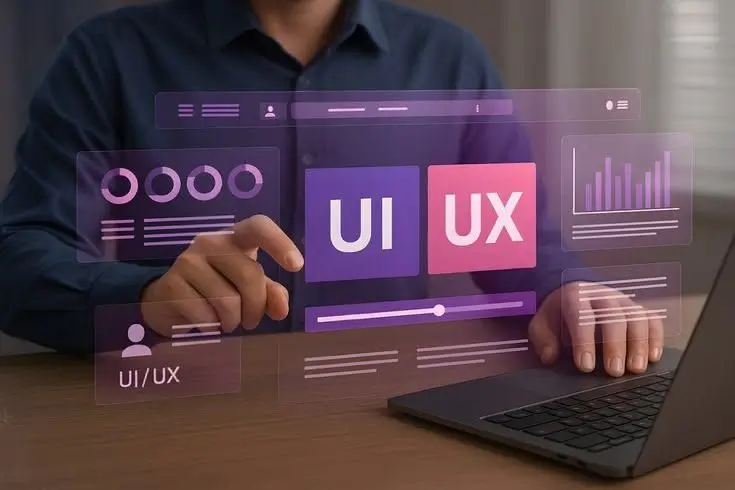
UX design is how a product works — the journeys, the structure and the decisions a person makes along the way. UI design is how it looks and feels — the layout, type, colour and components on every screen. Good products need both, designed together.
Design is not decoration added at the end. It is the cheapest place to find out what users need: a problem spotted in a prototype costs an afternoon, while the same problem found after launch costs a release. We design so you find out early.
How it works
How We Design Your Product
Every project follows the same path from question to handover, with something to test at every step.
Research
We talk to users and study how the product is used today.
Map
Journeys and structure agreed before any screen is drawn.
Prototype
Wireframes become clickable prototypes that feel real.
Test
Real users try the prototype and we fix what trips them up.
Hand over
Final designs and a design system developers can build from.
What we provide
UI/UX Design We Deliver
From a single journey that needs fixing to the design system a whole product is built on.

User Research
Finding out what users need, and where the current product gets in their way.
- User interviews
- Analytics review
- Journey mapping
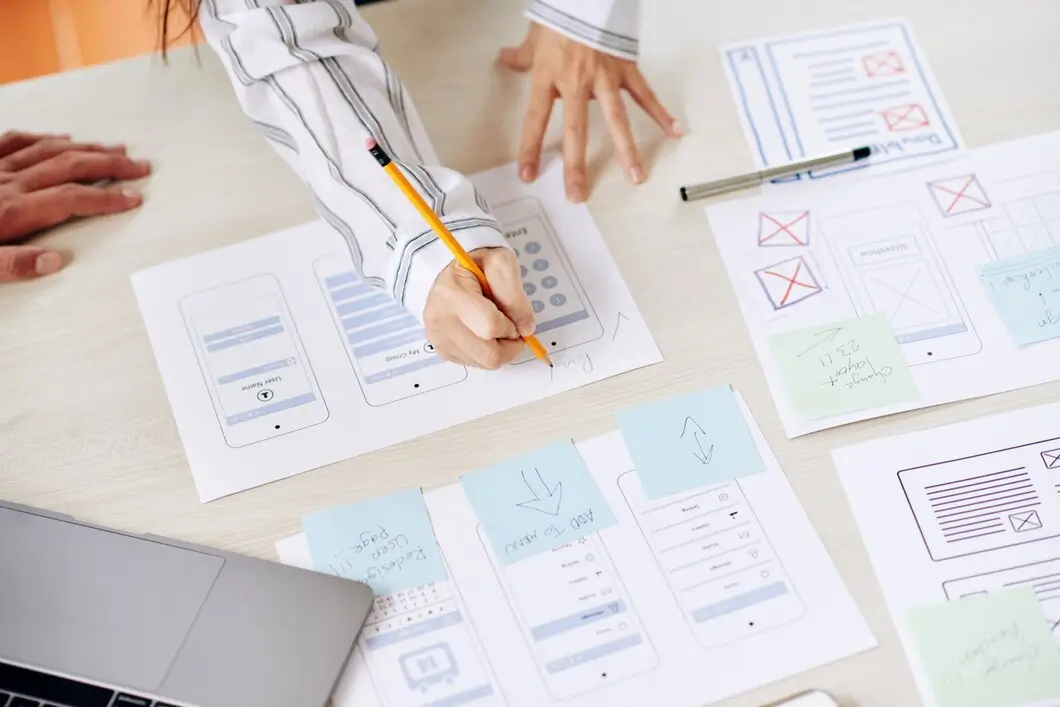
UX Design & Prototyping
Structure, flows and clickable prototypes you can put in front of users before a line of code.
- Information architecture
- Wireframes
- Clickable prototypes
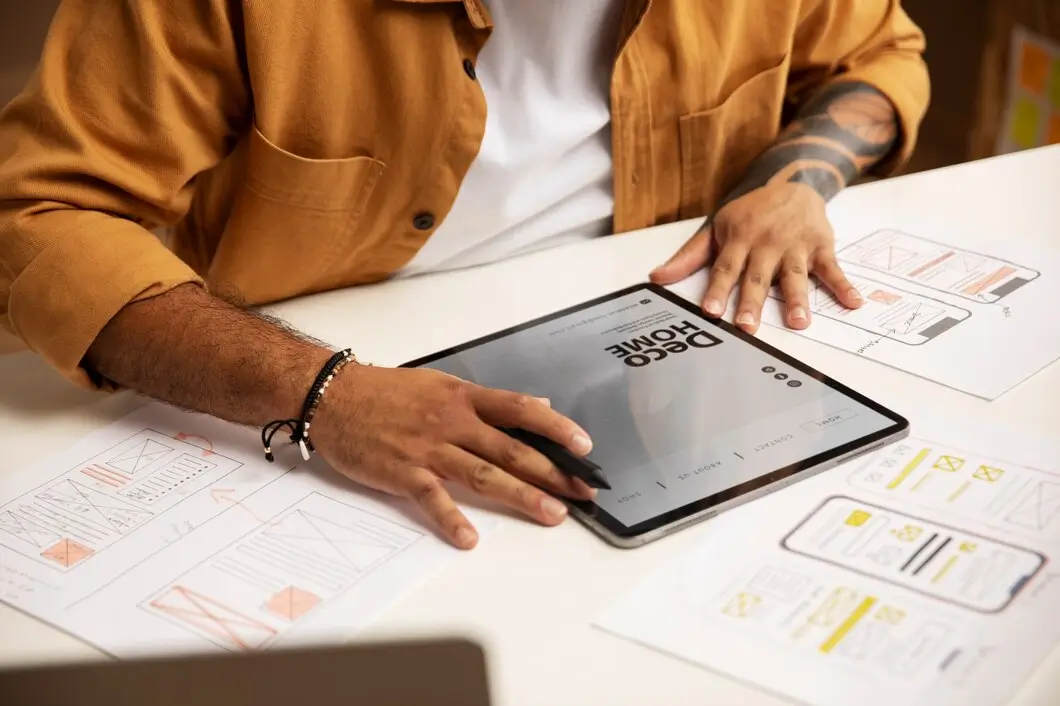
UI & Visual Design
Clear, accessible interfaces that carry your brand across web and mobile.
- Screen design
- Accessible colour and type
- Responsive layouts
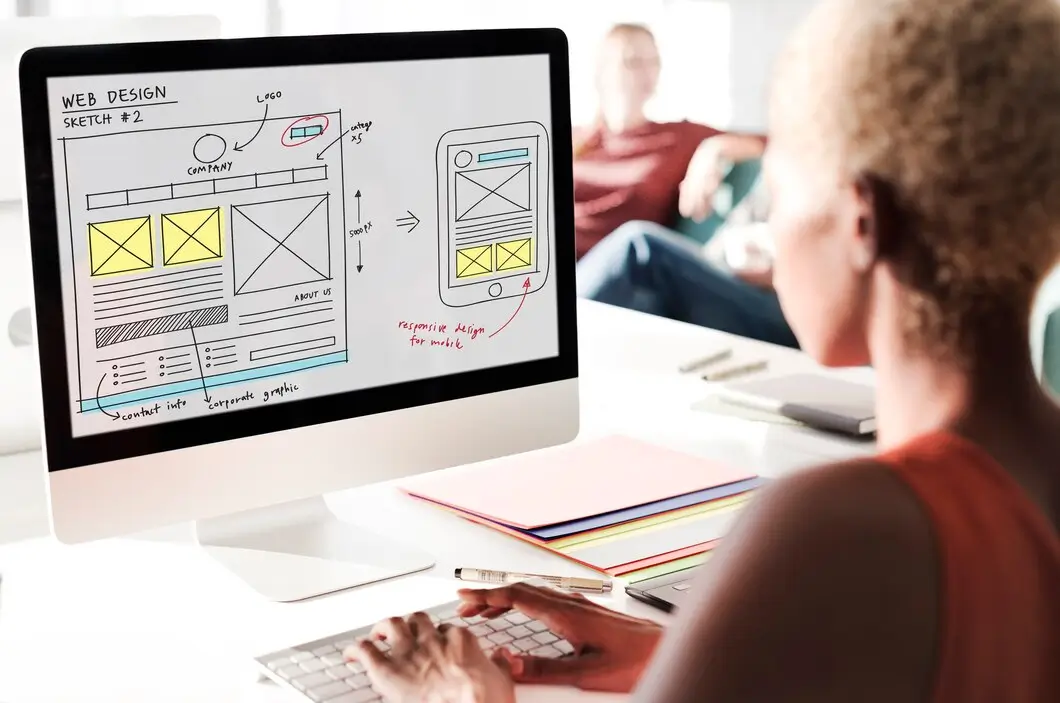
Design Systems
One shared library of tokens and components, so design and code stay in step.
- Design tokens
- Component library
- Usage guidelines
Under the hood
One Source of Truth for Design and Code
Colours, spacing and type live as tokens, so a change made once reaches every screen and every platform.
Named by purpose
Tokens say what a value is for, not what it looks like, so themes stay easy.
Shared by everyone
Designers and developers read from the same file, so nothing drifts.
Accessible by design
Contrast and focus styles are set once in the tokens, not per screen.
{ "color": { "brand": { "$type": "color", "$value": "#1d4ed8" }, "text": { "$type": "color", "$value": "{color.neutral.900}" }, "focus": { "$type": "color", "$value": "{color.brand}" } }, "space": { "sm": { "$type": "dimension", "$value": "8px" }, "md": { "$type": "dimension", "$value": "16px" }, "lg": { "$type": "dimension", "$value": "24px" } }, "radius": { "control": { "$type": "dimension", "$value": "6px" } }, "font": { "body": { "$type": "fontFamily", "$value": "Inter, sans-serif" } }}
Use cases
When Design Is the Missing Piece
Not every problem is a design problem. These are the cases where it usually is.
Users get stuck
Support hears the same questions, and people abandon key journeys.
A new product to shape
You need to test the idea with users before committing to a build.
Screens that do not match
Every team designs its own way, and the product feels stitched together.
Design and build out of step
What gets built drifts from the designs, and nobody is sure which is right.
Tools We Use
- Figma
- FigJam
- Adobe Illustrator
- Maze
- Hotjar
- Google Analytics
- Storybook
- Style Dictionary
- TypeScript

- DesignFigma, FigJam, Adobe Illustrator
- Research & testingMaze, Hotjar, Google Analytics
- Design to codeStorybook, Style Dictionary, TypeScript
Industry-standard design tools, so your team can open and extend every file after us.
ContactOur process
Our UI/UX Design Process
Research first, then short design cycles that each end with something real users have tried.
Discovery
We interview users, review analytics and agree the journeys to fix.
Concept
We sketch the structure and flows, and agree the direction together.
Prototype & Test
We build clickable prototypes and test them with real users.
Design & Handover
We finish the screens and hand over a design system ready to build.
Start here
Not sure where your users get stuck?
Show us the product or journey that is not working. We will suggest the quickest way to find out why — and what a first round of design would cover.
Why Proponent
Design That Survives the Build
A design is only as good as what ships. Our designers work beside the engineers who build it.
- Countries Served
- 70+
- Projects Completed
- 600+
- Hours Support
- 24x7
- Office Locations
- 5
Research-led
Decisions rest on what users do, not on opinion.
Systems, not screens
A design system that keeps every new screen consistent.
Built to be built
Designs checked with engineers, so they ship as drawn.
Accessible by default
Contrast, focus and structure considered on every screen.
You own everything
Design files, research and libraries belong to you.
See how your product could feel to use.
Tell us who uses the product and what they struggle with. We will outline the research and the first round of design.