Digital Experience
Ecommerce Development Services
What is Ecommerce Development?
Ecommerce development is the design and build of an online store — the storefront buyers browse, the checkout they pay through, and the connections that keep products, stock, orders and shipping in step behind the scenes.
The platform matters less than people think. What decides whether a store sells is how quickly buyers find the right product, how little stands between them and paying, and whether the team behind it can run the store without fighting the software.

How it works
How We Build Your Store
Every store follows the same path from catalogue to first order, with something you can test at every step.
Plan
We map your catalogue, buyers and the systems the store must talk to.
Design
Product, category and checkout pages designed around the buyer.
Build
Storefront, checkout and payments built on the right platform.
Integrate
Stock, orders and customers synced with ERP, CRM and shipping.
Launch
Test orders end to end, then go live and keep improving.
What we provide
Ecommerce We Build
From a first online shop to a store connected to every system in the business.
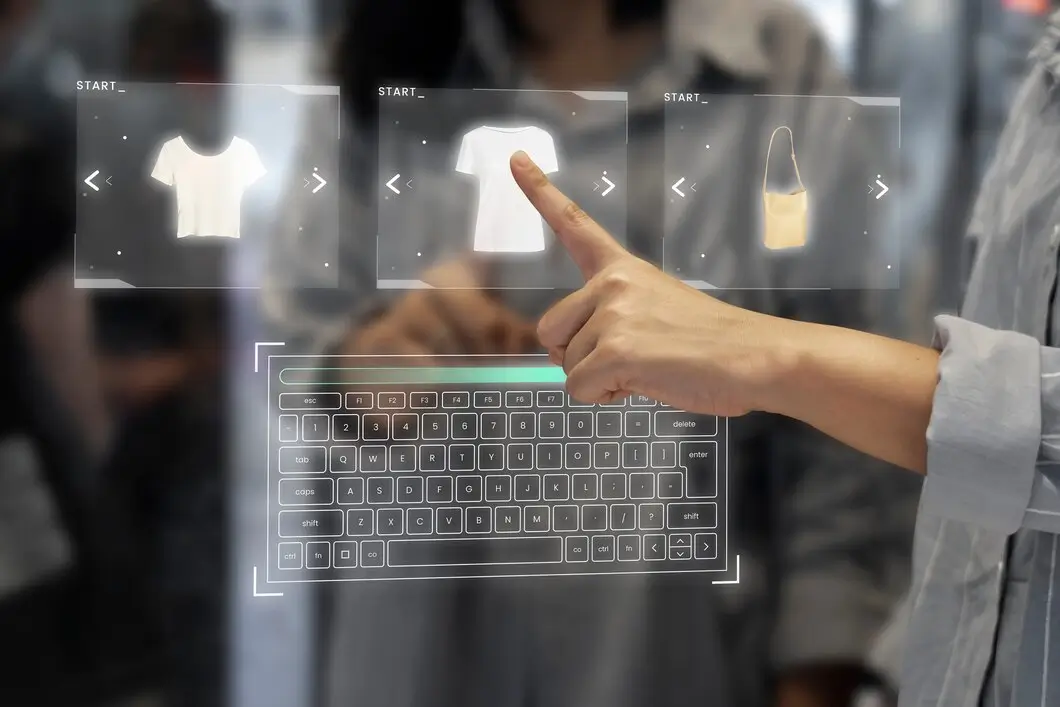
Custom Storefronts
Store themes designed around your products and buyers, not a stock template.
- Product and category pages
- Search and filters
- Mobile-first layouts
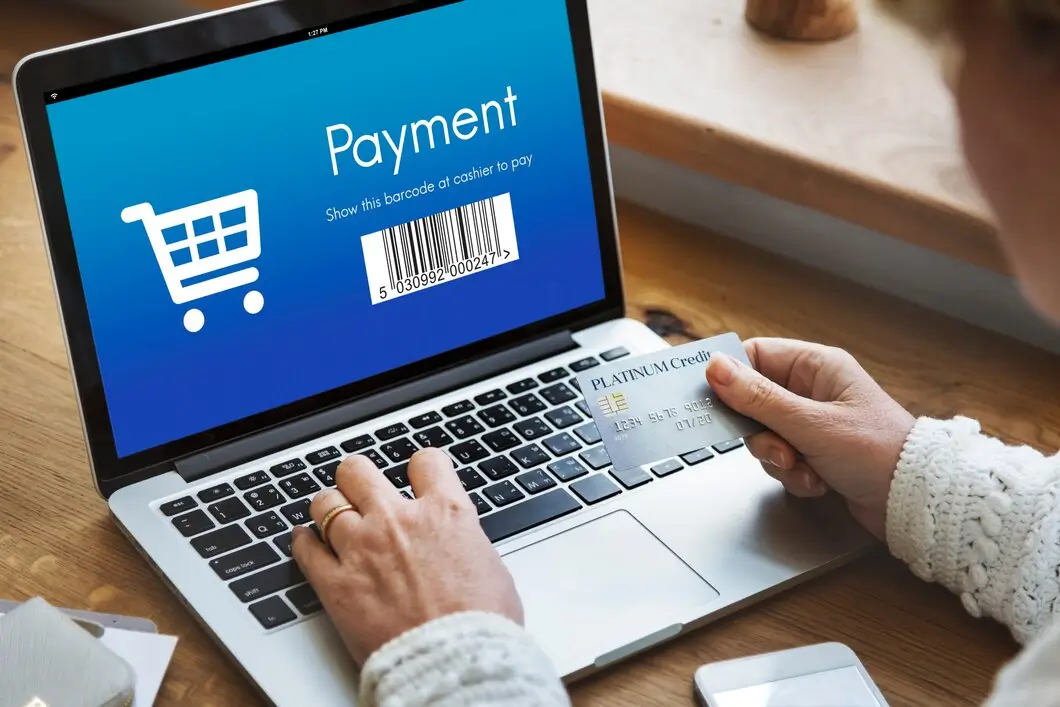
Checkout & Payments
A short, trusted path from basket to paid order, with the payment methods your buyers expect.
- Payment gateways
- Shipping and tax rules
- Discounts and promotions

Headless Commerce
A modern front end on a proven commerce engine, for stores that need full design freedom.
- API-driven storefront
- Content and commerce together
- Multi-channel ready

Integrations & Migration
Stores joined to the systems that run the business, or moved to a new platform safely.
- ERP and inventory sync
- CRM and marketing tools
- Platform migration
Under the hood
Product Data Search Engines Can Read
What a buyer sees is only half the page. The other half tells search engines exactly what you sell.
Structured product data
Name, price, stock and images described in a format search engines understand.
Always in sync
Drawn from the live catalogue, so price and stock never go stale.
Part of the theme
Built into the template once, so every new product gets it for free.
{%- assign variant = product.selected_or_first_available_variant -%}<script type="application/ld+json">{ "@context": "https://schema.org", "@type": "Product", "name": {{ product.title | json }}, "image": {{ product.featured_image | image_url: width: 1200 | json }}, "url": {{ shop.url | append: product.url | json }}, "offers": { "@type": "Offer", "price": {{ variant.price | divided_by: 100.0 | json }}, "priceCurrency": {{ cart.currency.iso_code | json }}, "availability": "https://schema.org/ {%- if variant.available %}InStock{% else %}OutOfStock{% endif %}" }}</script>
Use cases
When Your Store Needs Work
Not every store needs rebuilding. These are the cases where the build is what holds sales back.
Selling online for the first time
You need a store set up properly from the start, not patched later.
Buyers drop out at checkout
Too many steps or missing payment options stop orders at the last moment.
Stock and orders out of step
Teams re-key orders by hand because the store and ERP do not talk.
Outgrowing the platform
The current platform limits the catalogue, the design or the markets you sell to.
Technologies We Use
- Shopify
- WooCommerce
- Adobe Commerce
- OpenCart


- Next.js
- Strapi
- Laravel
- .NET
- AWS
- Azure


- PlatformsShopify, WooCommerce, Adobe Commerce, OpenCart
- HeadlessNext.js, Strapi
- BackendLaravel, .NET
- CloudAWS, Azure
Proven commerce platforms, chosen for your catalogue and your team rather than for fashion.
ContactOur process
Our Ecommerce Development Process
The right platform first, then short cycles that each end with a store you can place test orders on.
Discovery
We review your catalogue, buyers and systems, and choose the platform.
Design
We design the key store pages and test the checkout with real buyers.
Build & Test
We build the store and integrations, testing orders from end to end.
Launch & Support
We migrate data, go live and keep refining what buyers respond to.
Start here
Not sure which platform fits your store?
Tell us what you sell and how you sell it. We will recommend a platform honestly — including staying on the one you have, if that is the right call.
Why Proponent
Online Stores Built to Sell
Launch is the first order, not the last. We build stores your team can run, grow and change with confidence.

- Countries Served
- 70+
- Projects Completed
- 600+
- Hours Support
- 24x7
- Office Locations
- 5
Designed for buyers
Every page is shaped around how people find, compare and buy.
Joined-up operations
Stock, orders and customers flow between store and back office.
Secure checkout
Trusted payment providers and security built into every release.
You own everything
Store, code, data and accounts belong to you from day one.
Ongoing improvement
We keep refining the store as real buying behaviour comes in.
See what your store could look like.
Walk us through what you sell and how orders are handled today. We will sketch the store and the first release.