Overview
Software that is safe to ship, and stays that way
Security and quality problems are rarely found where they start. A missing header, an unchecked input or a journey nobody tested goes live quietly, and surfaces later as an incident or a support queue. We look for them early, while they are still cheap to fix.
That might be a security assessment of an application you already run, hardening before a launch, groundwork for a compliance audit, or a test suite that checks every release. What stays the same is the approach: checks built into delivery, findings you can act on, and fixes verified rather than assumed.
Risk before tooling
We start from what matters most to the business, then choose the checks that protect it.
Hardened by default
Secure settings, least-privilege access and patched dependencies as the baseline.
Checked on every change
Automated tests and scans run in the pipeline, not once before launch.
Findings you can act on
Plain-English reports, ranked by risk, with the fix for each one.
What we offer
Two disciplines, one standard
Security and testing ask the same question from two sides: does the software do what it should, and nothing it should not? Take one, or both together.
- Explore Cybersecurity
Cybersecurity
Assessments, hardening, compliance
- Security assessments and reviews
- Application and cloud hardening
- Groundwork for ISO 27001 and SOC 2
- Security checks built into delivery
- Explore QA & Testing
QA & Testing
Automated, manual and performance testing
- Automated end-to-end and API tests
- Manual and exploratory testing
- Performance and load testing
- Tests that run on every change


How we work
From first review to ongoing assurance
Scoped around your risks, run alongside your releases and repeated as the software changes. Each step ends with something you can act on.
Phase 01
Scope
Agree what is in scope, what matters most and where the real risks sit.
Output
A scope, a risk map and a test plan.
Phase 02
Assess
Review, scan and test the application, the infrastructure and the key user journeys.
Output
Findings ranked by risk and impact.
Phase 03
Fix & verify
Work through the fixes with your team, then retest to confirm each one is closed.
Output
Verified fixes and a clean retest.
Phase 04
Keep it safe
Automated tests and scans in the pipeline, with regular reviews as the system grows.
Output
Checks on every release, and a review cycle.
Where we apply it
Shaped by the risks of each sector
The same discipline, focused on the data, the rules and the journeys that matter most in each industry.
 Sector 01HealthcarePatient data protected, access controlled and clinical flows tested end to end.Explore Healthcare
 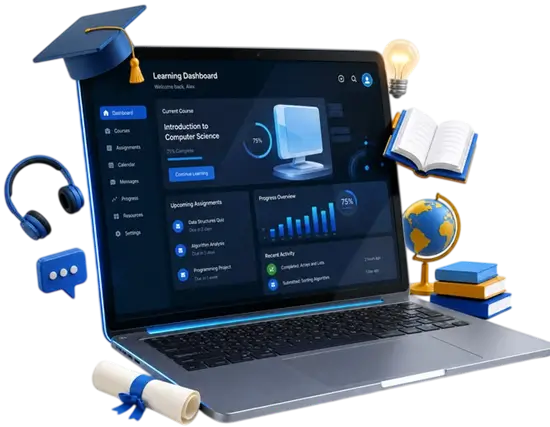 Sector 02EducationStudent records secured and platforms load-tested for enrolment and results day.Explore Education
 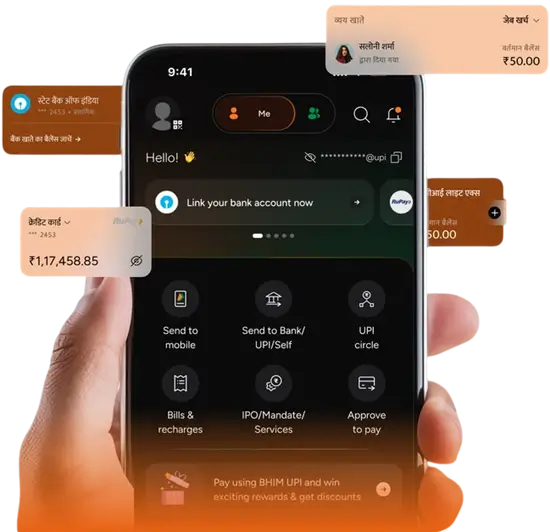 Sector 03Banking & FinancePayments and accounts tested hard, with audit trails and access reviews in place.Explore Banking & Finance
  Sector 04Retail & EcommerceCheckout, payments and customer accounts protected and tested for peak traffic.Explore Retail & Ecommerce
  Sector 05Travel & HospitalityBooking and payment journeys tested across devices, partners and integrations.Explore Travel & Hospitality
  Sector 06Government & PublicSecure, accessible services with the controls public-sector audits look for.Explore Government & Public
  Sector 07Startups & SMBsSecurity and testing sized for a small team, ready for a first due-diligence review.Explore Startups & SMBs